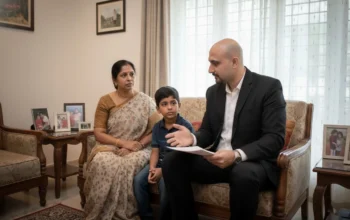

Separation is usually an emotionally difficult time for many couples. This is especially true when disagreement continues between the couple after they decide to live apart. It often seems that issues involving children, finances, property, and communication can quickly turn into high-conflict matters. If couples take some practical steps, they can reduce tension and handle these concerns in an organized way.
Here are some steps to help couples make their separation process easier to manage.
1. Focusing on Good Communication
With clear and respectful communication, couples can prevent many separation-related disputes from becoming more serious. When emotions are too high, couples should keep conversation focused on specific issues. They should not involve their past disagreements. If direct communication often leads to arguments, they can use email, text messages, or parenting communication apps. If they keep messages short, polite, and focused on facts, it can help them establish good communication. Moreover, couples should try to use clear statements about schedules, payments, or other practical matters rather than making personal accusations. Even after this communication remains difficult, a mediator may help both parties discuss their important concerns in a more structured environment.
2. Working with a Child Custody Lawyer
After separation, if children are involved, custody and parenting decisions often become the most sensitive issues. Often, parents disagree about where a child should live, visitation schedules, education, healthcare, or other decisions. An experienced child custody lawyer can help a parent understand their legal options. They can work towards an arrangement that supports the child’s best interest. However, as far as possible, parents must try to keep children away from conflicts. They should not use children to take sides and to deliver messages to the other parent. A consistent parenting schedule and clear boundaries can create a greater sense of stability in children if an uncertain period is raised.
3. Knowing Your Financial and Property Rights
Money is another major source of conflict following separation. There are many couples in the court who disagree about family homes, savings, investments, vehicles, or other assets. To provide a clear picture of what needs to be addressed, it is essential to make a list of shared and individual financial interests. A professional property division lawyer can explain applicable property laws. They can help a person understand how assets and debts are handled efficiently. By keeping financial documents, account statements, property records, and other relevant paperwork organized, discussions can be made more productive, and couples can reduce confusion.
4. Considering Mediation
If couples don’t want every issue to be decided by court and are eager to resolve disagreements, there’s nothing more useful than mediation. Couples can identify areas of disagreement, explore possible solutions, and reach mutually acceptable terms where possible with the help of a neutral mediator. However, mediation never means that either person should give up their legal rights. Instead, each party can seek independent legal advice before agreeing to an important term. In short, a successful mediation can save time and reduce legal expenses. It is especially valuable when couples want co-parenting.