
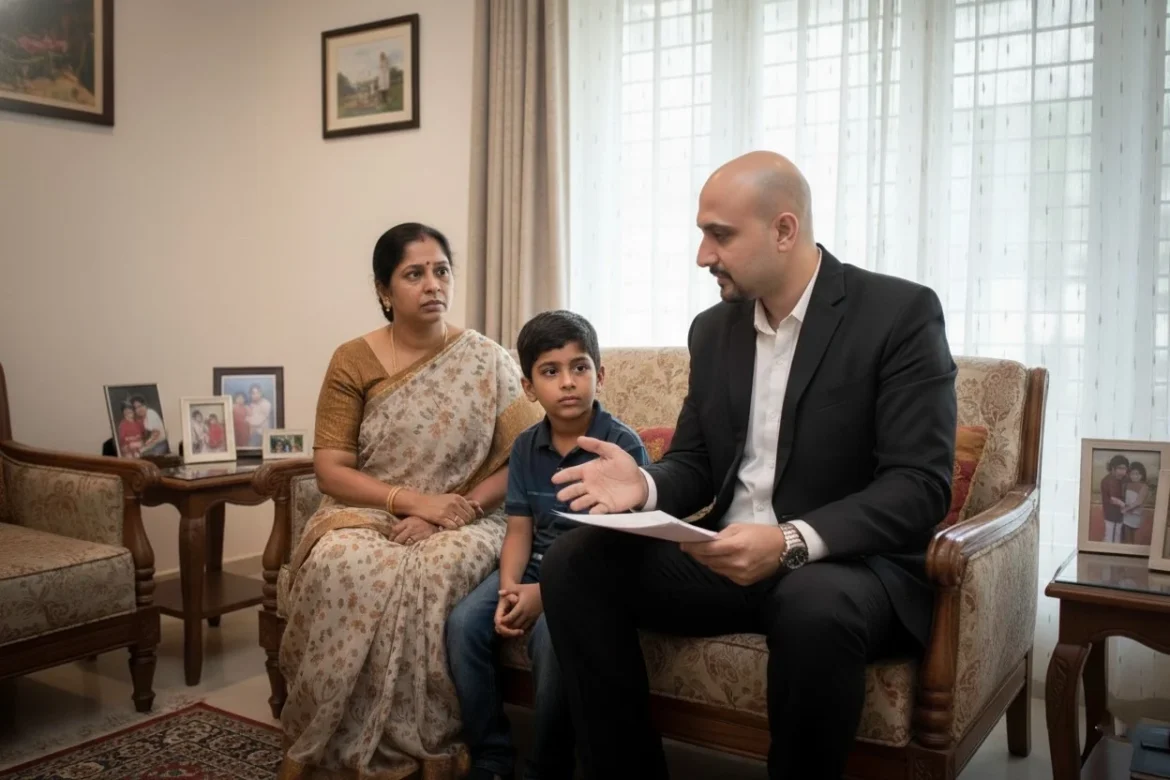
One of the most emotionally difficult and sensitive child custody decisions parents have to make when they divorce or split up is how their kids will be raised going forward. While sometimes legal proceedings are only about schedules, parental rights, and official agreements, good child custody plans are more than just what is written on the court order.
While the law provides a framework to resolve custody disputes, there are factors other than what is decided in court that determine a child’s well-being. Reliability, communication, consistency, and the desire to focus on children usually have the greatest impact on the future of a child.
Knowing what really counts will enable parents to establish a nurturing environment where kids can keep growing despite major family changes.
Giving the Child’s Best Interests First Priority
Every child custody ruling centers on the idea of serving the best interests of the kid. Though parents also significantly help to guarantee that their child custody decisions satisfy their child’s emotional, educational, and physical requirements, courts weigh several aspects when determining living arrangements.
Children thrive most when their parents’ love, safety, and encouragement are available practically every day. Parents who pay attention to what helps their children adapt and develop, rather than only winning child custody legal fights, usually produce better results.
Every kid is different. For one family, what works effectively could not be perfect for another. When creating child custody parenting plans, one should take into account age, temperament, education, health requirements, and family dynamics, among other elements.
Stability Builds Safety
One of the most crucial features of any custody agreement is stability. Many times, youngsters find it difficult to cope with uncertainty both during and after a divorce. Keeping familiar patterns will help people to be comforted at a moment of significant change.
Regular school attendance, consistent schedules, extracurriculars, and clear daily routines all contribute to children’s feeling of safety. Little habits like weekend customs, family dinners, or bedtime rituals can help one to find comfort and consistency.
Parents who cooperate to reduce disturbances usually enable their kids to adapt more effectively. Stability does not always entail spending the same length of time in every home; Rather, it refers to setting a setting where kids know what to expect and feel safe in both homes.
Good Co-Parenting Counts
Though it cannot control the quality of the parent-child relationship, a court order can specify residences and split parenting time. Good co-parenting is often among the best signs of a child’s long-term health following divorce.
Effective co-parenting calls on:
- Respectful conversation
- Rule and expectation consistency
- Education and healthcare collaboration
- Flexibility when surprises come up
- Maintaining personal disputes away from kids
Children should never feel forced to choose sides or serve as mediators between their parents. Children suffer less stress and emotional confusion when adults talk to each other directly and politely.
Keeping a collaborative attitude will greatly lower stress and produce a better atmosphere for everyone concerned, even when past partners have different opinions on some matters.

Emotional Well-Being Needs to Get Attention
While child custody Legal contracts deal with practical issues, emotional well-being is also rather crucial. Family changes can make kids of all ages feel confused, sad, worried, or angry.
Parents ought to let kids freely show their emotions, free from fear of criticism, and inspire honest communication. Listening closely and validating feelings will enable kids to handle changes more effectively.
Among the indicators that a youngster could need more help are:
- Unexpected shifts in conduct
- Scholarly problems
- Withdrawal from friends or hobbies
- Sleep issues
- Increased irritability or worry
For certain cases, professional counseling or family therapy could be helpful. Seeking help is a proactive step to enable kids to negotiate difficult conditions rather than a sign of failure.
Keeping Good Parent-Child Relations
Though the quality of that time often counts even more, the length of time spent with a child is crucial. Children grow when their parents are loving and involved and have significant relationships with them.
Developing good relationships could include:
- Engaging in daily chores
- going to school activities
- Giving a hand with schoolwork
- having meals together
- Being very aware of successes and worries
Children have to be reassured that even if their family structure has changed, their parents are still dedicated to their lives. Regular participation strengthens emotional ties over time and builds trust.
Parents ought to concentrate on being present and engaged instead of trying to make up for lost time with costly presents or special privileges.
The Flexibilities Everybody
Life is always evolving. Children’s needs change as they age, and things like school schedules, extracurricular activities, job changes, or health problems could call for changes in how they are parented.
Though having a clear plan is essential, flexibility allows families to fit new surroundings free from needless conflict. Parents who are ready to compromise usually help to relieve their own and their children’s stress by tackling scheduling issues.
A rigid attention to technical specifics can occasionally cause more tension. Parents who give their children’s needs first priority and practical answers usually negotiate child custody changes more easily.
Safeguarding Children from Conflict
One of the worst things kids can go through when their parents split up is repeated fighting between them. Repeated exposure to conflict and hostility has been repeatedly found to compromise mental health and emotional development.
Parents ought to steer clear of:
- Speaking critically of the other parent
- Talking about legal issues in front of children
- Using kids to compile data
- Getting kids engaged in adult conflict
- Making kids accountable for family problems
Children should be free to keep good relationships with their parents, free from guilt or caught in the middle. Keeping them away from violence helps to build a more stable and encouraging environment.

Supporting social and educational growth
The success of a child goes beyond just domestic life. Good growth depends on extracurricular activities, friendships, and educational advancement.
Parents should always cooperate to help with social involvement and academic success. Going to parent-teacher conferences, talking about how well they’re doing in school, and motivating participation in events will all help kids keep their sense of normalcy.
Strong support networks also have great weight. During times of change, grandparents, other family members, teachers, coaches, and reliable family friends could offer more stability and support.
Seeking Beyond Legal Triumphs
When it comes to child custody proceedings, it’s easy to become preoccupied with the legal outcomes. But it is often not the parent who wins the positive court ruling that helps the child most; it’s the parent who continues to be committed to helping the child live a life of overall wellness.
A court cannot generate trust, empathy, patience, or teamwork, but it can set rules and responsibilities. It must be those attributes that the parents demonstrate.
Typically, the best custody arrangements are ones where parents focus on making a good life for their kids, instead of on competing. When families prioritize emotional security, positive relationships, stability, and polite communication, they help to create positive environments that enable children to continue to grow and thrive.
Conclusion
Legal paperwork and court appearances define child custody, beyond those things. While the law provides for structure and accountability, the reality of success is measured by how happy, safe, and healthy a child is and how well he or she grows.
Parents who give stability, teamwork, emotional support, and notable participation to their attention help their children to negotiate family changes with confidence. But the most important thing in the game is to see that the children are loved, appreciated, and encouraged at every opportunity.